 412-654-5300

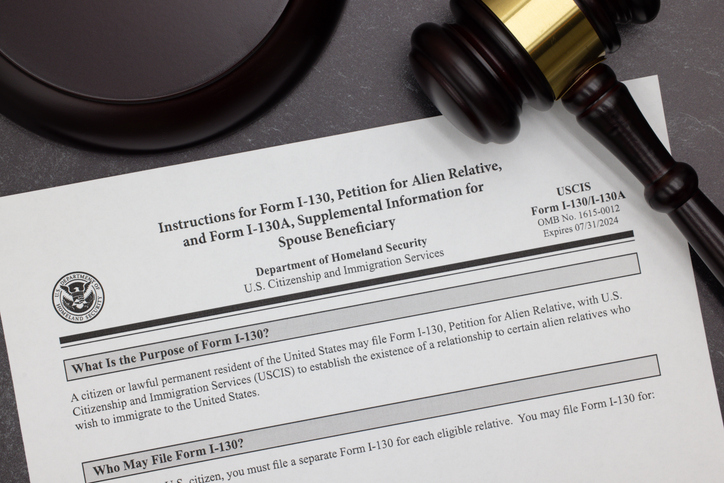
Special Immigrant Juvenile Status (SIJS) is a federal immigration classification created to protect certain children and young people in the United States who cannot safely return to their parents due to abuse, neglect, abandonment, or a comparable basis under state law. For many young people, unsafe parental relationships or unstable living conditions leave them without consistent support or protection. SIJS provides a pathway for these individuals to seek lawful permanent residence, commonly known as a green card.
In Pennsylvania, the SIJS process begins in state court and then proceeds at the federal level through U.S. Citizenship and Immigration Services (USCIS).
Families navigating this process may find it complex because it involves two separate legal systems. Law firms such as M.L. Martin & Furnace, LLC, often guide families in opening custody or guardianship matters, obtaining necessary court findings, and coordinating the next steps in the immigration process.
This guide explains eligibility, the role of Pennsylvania courts, how to file for SIJS with USCIS, and key takeaways for families seeking support.
To qualify for SIJS, a young person has to meet multiple legal requirements. Each component is essential, and failure to meet any one of them may affect eligibility.
The first step is to begin a case at the state level; the child must be under 18 years old at this point in the process. It is highly recommended to begin the process at the age of 17 because it takes about 6 months to get in front of the judge for the hearing after filing the application. This is because the PA state court loses jurisdiction over a minor once they become of age.
At the federal level, the applicant must be under 21 years old when the SIJS petition (Form I-360) is filed. This age cutoff is strict; even if the young person turns 21 after filing, they remain eligible so long as they filed on time. The applicant must also be unmarried. Divorce does not affect eligibility, but marriage, even if later terminated, generally disqualifies the individual from receiving benefits.
SIJS requires involvement from a state court with authority over the care or custody of the child. In Pennsylvania, this can include:
The state court must issue an order, often referred to as a “predicate order,” that places the young person under the court’s jurisdiction. This may involve a dependency determination, appointment of a guardian, or awarding custody to a responsible adult.
The court has to find that reunification with one or both parents is not viable due to:
Importantly, SIJS does not require that both parents be unfit. If reunification with one parent is possible but not with the other, the child may still qualify. The court’s findings must be based on state law and supported by the evidence presented to it.
The court must also determine that returning the young person to their home country or the country of their last habitual residence is not in their best interest. This is the same standard used in many family-law decisions, reflecting Pennsylvania’s emphasis on protecting a child’s welfare and long-term stability.
The applicant must already be physically present inside the United States at the time of filing the I-360 petition.
Because each eligibility step must be satisfied, families typically benefit from early legal guidance to ensure the child does not lose eligibility through delays or procedural issues.
The SIJS process begins in state court, not with federal immigration authorities. This structure recognizes that state courts have experience handling issues related to child safety, custody, and family structure.
A family, juvenile, or guardianship court issues the predicate order containing three core findings:
These findings must be explicit. Courts do not automatically include SIJS language in custody or guardianship orders, so attorneys generally present proposed language supported by Pennsylvania law and evidence.
Families may pursue court findings through:
The Pennsylvania Supreme Court has made clear that state courts retain authority to issue SIJS findings when they have jurisdiction over the child’s welfare. This ensures that Pennsylvania courts can support young people wanting to obtain lawful status when parental reunification is not safe or feasible.
Pennsylvania courts require sufficient facts to support findings of abuse, neglect, or abandonment. Evidence may include:
Courts evaluate these cases carefully, and an attorney can help present the necessary information in a structured and legally appropriate manner.
Once the Pennsylvania state court issues the predicate order, the young person may proceed to the federal stage of the SIJS process.
The first step is to file Form I-360, the SIJS petition. This filing includes:
USCIS reviews the petition to verify that the state-court findings meet SIJS requirements and that the applicant remains unmarried and under 21 years of age at the time of filing.
Processing times may vary, and USCIS may issue a Request for Evidence (RFE) if additional documentation is needed. Once approved, the individual is classified as a Special Immigrant Juvenile, which is a significant milestone but does not yet grant a green card.
To obtain lawful permanent resident status, the young person must file Form I-485, the application for a green card. However, this can only be submitted once a visa number is available for the applicant’s category and country of origin.
Some applicants may be able to file the I-485 at the same time as the I-360, depending on visa availability. Others may need to wait, sometimes for months or years.
During the green card stage, applicants may also apply for:
Benefits of SIJS
SIJS offers several vital protections:
This classification is designed specifically to protect children and young adults who have experienced instability or harm.
SIJS requires careful timing and coordination:
Due to the age deadline, initiating the state-court process early is often essential.
Families may encounter challenges such as:
Working with attorneys experienced in both family law and immigration law can help families navigate these issues efficiently and responsibly.
Special Immigrant Juvenile Status plays an important role in protecting young people in Pennsylvania who cannot safely reunify with a parent. Although the process can be detailed and often requires coordination between state and federal systems, it offers a clear legal path toward stability and permanent residency.
M.L. Martin & Furnace, LLC will provide full service in Spanish, ensure that documents are clearly and accurately translated, and have an interpreter present at the hearing so the client is fully aware of what is happening.
M.L. Martin & Furnace supports families through the first stages of SIJS matters by helping them secure the necessary Pennsylvania court findings in custody or guardianship proceedings. A well-prepared state-court record is crucial for success at the USCIS level, ensuring that the young person’s best interests remain at the center of the case.